Interpretação do Património da Água: Fonte FilipeWater Heritage Interpretation: Fonte Filipe
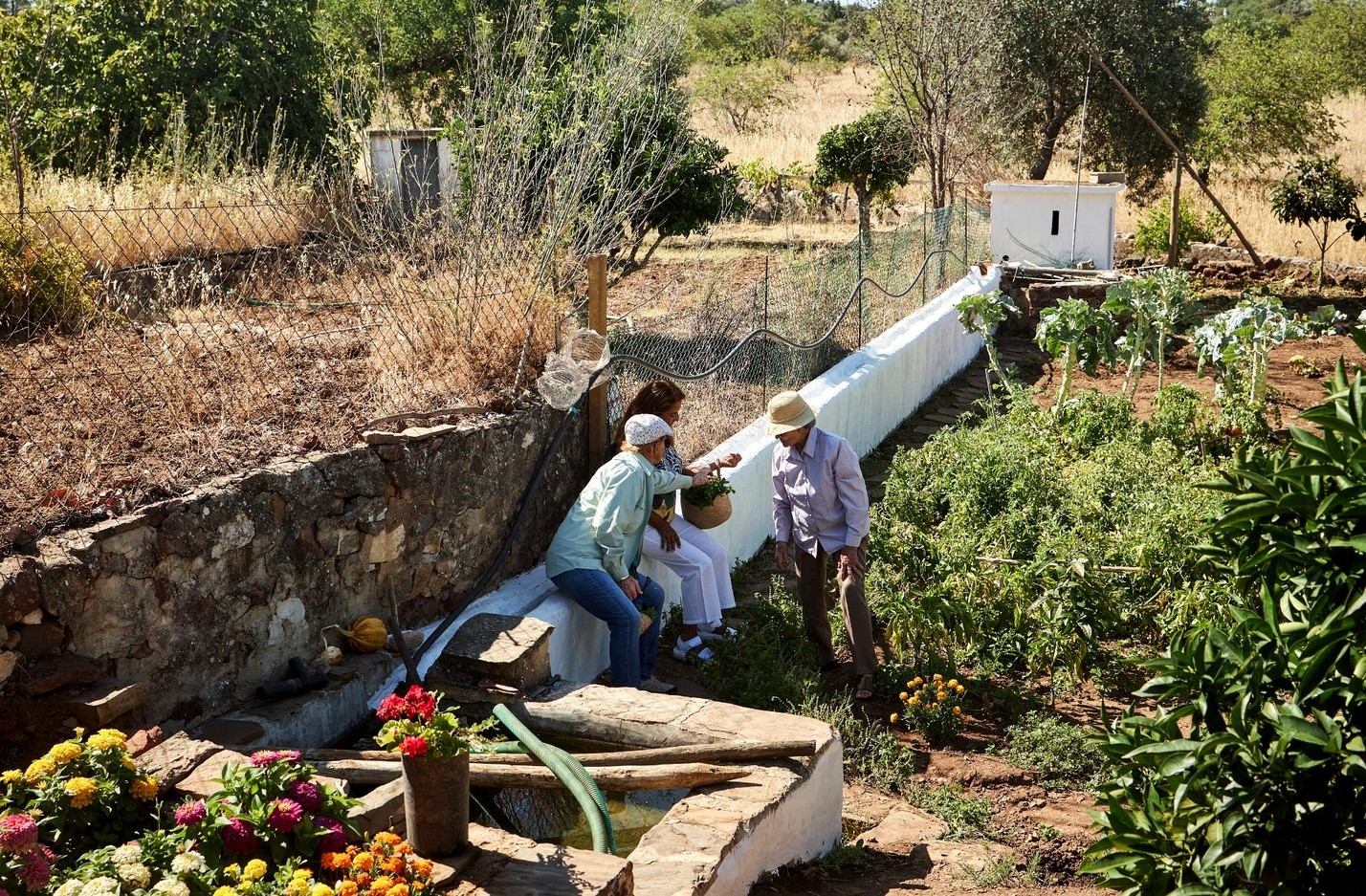
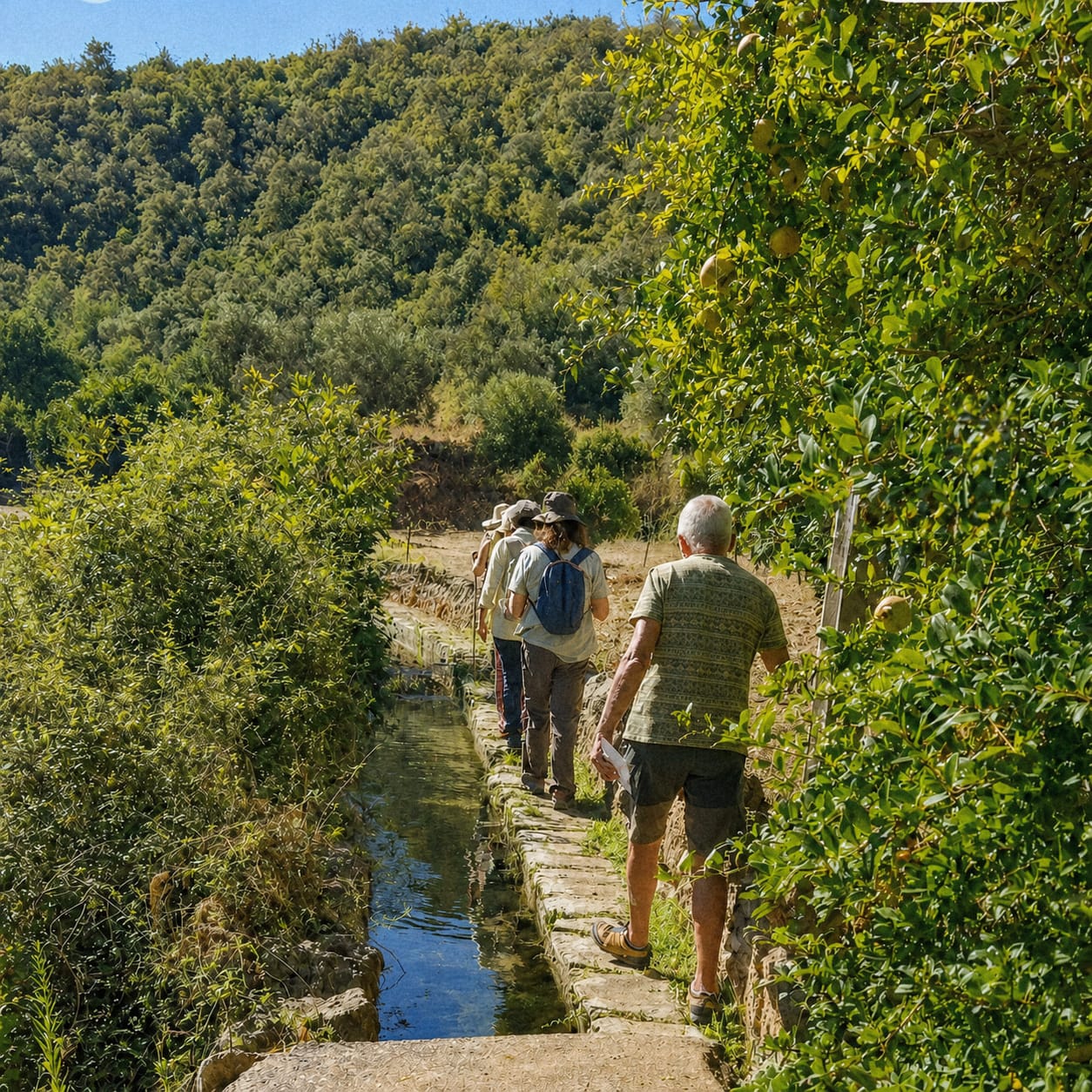
Que caminho fazia a água da Fonte Filipe entre os campos, as levadas e o moinho? Neste percurso interpretativo, irá seguir esse sistema no terreno e perceber, na paisagem, como a fonte, o regadio, os terrenos agrícolas e a moagem se articulavam. Desidério Batista e Miguel Reimão Costa, professores e investigadores ligados ao projeto europeu WatHer, irão ajudar a interpretar os vestígios que permanecem na paisagem e a perceber porque este património continua a ser relevante hoje. A experiência começa na Fonte Filipe e termina no Moinho do Gentil, com a partilha de histórias e memórias ligadas ao espaço e à comunidade. No final, o encontro continua à mesa, com uma merenda tradicional.What route did the water from Fonte Filipe take between the fields, the water channels and the mill? On this guided interpretive walk, you will follow that system on the ground and see in the landscape how the spring, the irrigation, the farmland and the milling were connected. Desidério Batista and Miguel Reimão Costa, lecturers and researchers involved in the European WatHer project, will help interpret the traces that remain in the landscape and explain why this heritage is still relevant today. The experience begins at Fonte Filipe and ends at Moinho do Gentil, with stories and memories linked to the place and the community. Afterwards, the gathering continues at the table, with a traditional snack.
O que vai acontecer
1. (Re)descobrir a Fonte Filipe
Iniciamos o percurso na Fonte Filipe, onde poderá conhecer este lugar e perceber como a água marcou a paisagem e a vida rural.
Com Desidério Batista e Miguel Reimão Costa, professores e investigadores ligados ao projeto europeu WatHer, irá interpretar os vestígios que ainda hoje ajudam a contar a história deste sistema tradicional de água.
2. Seguir o caminho da água
A partir da fonte, irá acompanhar o caminho da água pelo território, observando levadas, terrenos agrícolas e outras estruturas de condução e distribuição. Perceberá como a fonte, o regadio, a agricultura e a moagem funcionavam em conjunto como um sistema de património da água.
3. Olhar para este património a partir do presente
O que podemos aprender hoje com estas formas tradicionais de gerir a água? Durante o percurso, irá conhecer o trabalho que está atualmente a ser desenvolvido na Fonte Filipe e perceber porque estes sistemas tradicionais continuam a ser estudados perante os desafios atuais da gestão da água e da adaptação às alterações climáticas.
4. Chegar ao Moinho do Gentil e terminar à mesa
Terminamos no Moinho do Gentil, onde se completa a ligação entre a fonte, o regadio e a moagem. Aqui, Leonor Isidoro, proprietária do moinho e cooperadora da QRER, irá partilhar histórias e memórias ligadas ao espaço, à história da sua família e à comunidade local. No final, haverá uma merenda tradicional e um momento de conversa entre participantes e convidados.
1. (Re)discovering Fonte Filipe
We begin the walk at Fonte Filipe, where you can get to know this place and see how water has shaped the landscape and rural life.
With Desidério Batista and Miguel Reimão Costa, lecturers and researchers involved in the European project WatHer, you will interpret the traces that still help tell the story of this traditional water system.
2. Following the Path of the Water
From the spring, you will follow the water's route across the territory, observing water channels, farmland and other structures for conveying and distributing water. You will see how the spring, the irrigation, the farming and the milling worked together as a water heritage system.
3. Looking at This Heritage from the Present
What can we learn today from these traditional ways of managing water? During the walk, you will learn about the work currently under way at Fonte Filipe and why these traditional systems continue to be studied in light of today's challenges of water management and adaptation to climate change.
4. Arriving at Moinho do Gentil and Ending at the Table
We finish at Moinho do Gentil, where the link between the spring, the irrigation and the milling is completed. Here, Leonor Isidoro, owner of the mill and a QRER cooperative member, will share stories and memories linked to the place, her family's history and the local community. At the end, there will be a traditional snack and a chance to chat among participants and guests.
Dinamização / Convidados
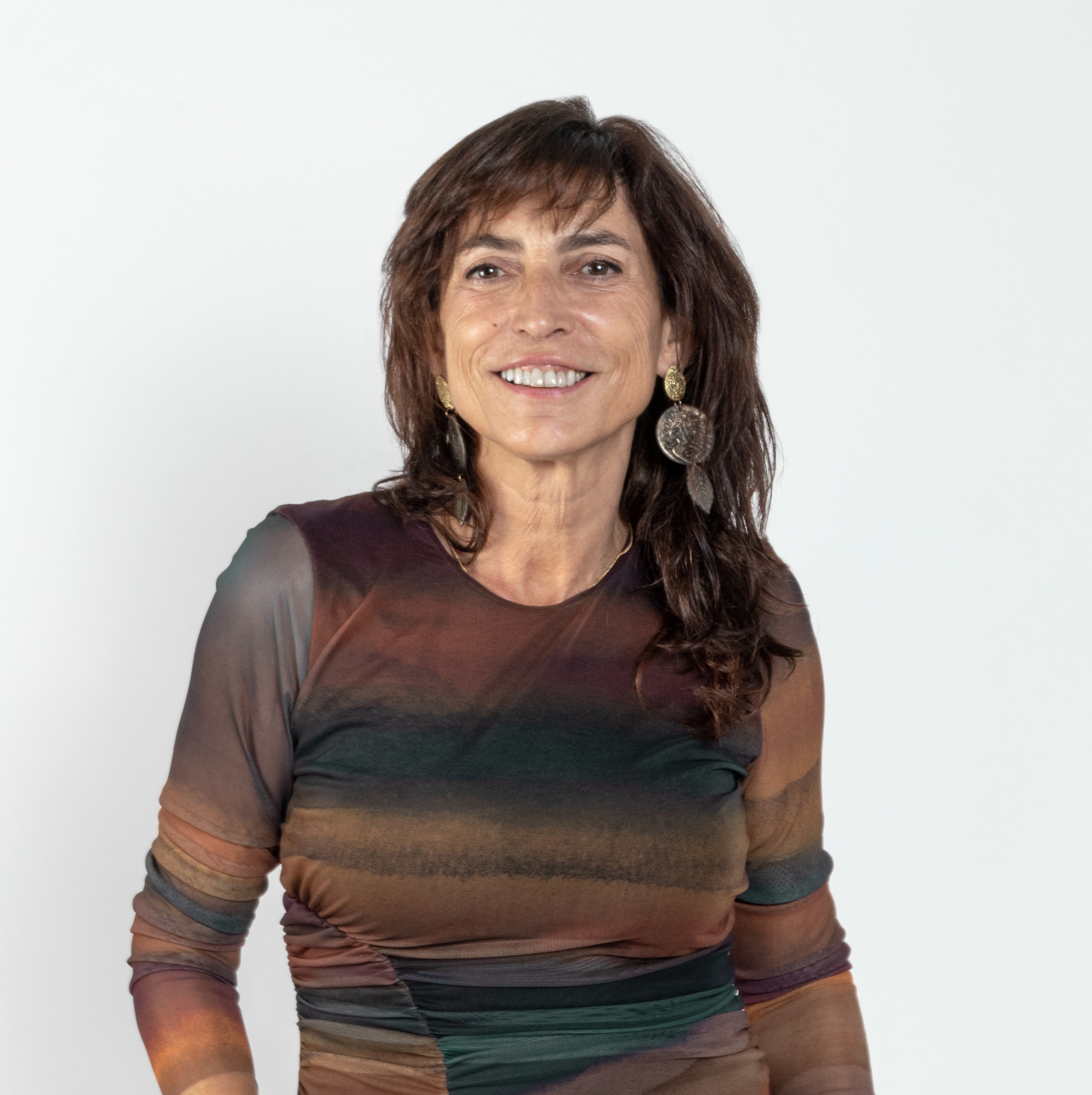

- Rêverie - A Rêverie cria experiências que cruzam natureza, criatividade e bem-estar, muitas delas a partir do Moinho do Gentil. A marca foi fundada por Leonor Isidoro, cooperadora da QRER e proprietária do moinho. Na sua família desde 1951 e recuperado em 2022, o Moinho do Gentil é hoje um lugar onde Leonor partilha histórias, memórias e a relação deste património com a paisagem e a comunidade de Querença.
- WatHer - Water Heritage in European Rural Mediterranean: Re(dis)covering water heritage systems to face climate challenges by learning from Our Past (2025-2029), projeto financiado pela União Europeia no âmbito do Programa Interreg Euro-MED dedicado ao estudo e recuperação de sistemas tradicionais de gestão da água no Mediterrâneo. Liderado pelo Politecnico di Milano, reúne 12 parceiros de oito países. Em Portugal participam a Universidade do Algarve e a Associação In Loco, estando o trabalho académico associado ao CEAACP - Centro de Estudos em Arqueologia, Artes e Ciências do Património.
- Rêverie - Rêverie creates experiences that bring together nature, creativity and well-being, many of them based at Moinho do Gentil. The brand was founded by Leonor Isidoro, a QRER cooperative member and owner of the mill. In her family since 1951 and restored in 2022, Moinho do Gentil is today a place where Leonor shares stories, memories and the relationship between this heritage and the landscape and community of Querença.
- WatHer - Water Heritage in European Rural Mediterranean: Re(dis)covering water heritage systems to face climate challenges by learning from Our Past (2025-2029), a project funded by the European Union under the Interreg Euro-MED Programme, dedicated to studying and restoring traditional water management systems in the Mediterranean. Led by the Politecnico di Milano, it brings together 12 partners from eight countries. In Portugal, the University of the Algarve and Associação In Loco take part, with the academic work linked to CEAACP - Centro de Estudos em Arqueologia, Artes e Ciências do Património.
Consulte o Regulamento de Participação.
Aldeias do Futuro - Exibição e conversa conjuntaAldeias do Futuro - Screening and Group ConversationPT
O que vive à volta da água? Saída à Fonte da BenémolaWhat Lives Around the Water? A Field Trip to Fonte da Benémola