Missão de Investigação Comunitária: Pombal e AdegaCommunity Research Mission: Pombal e Adega
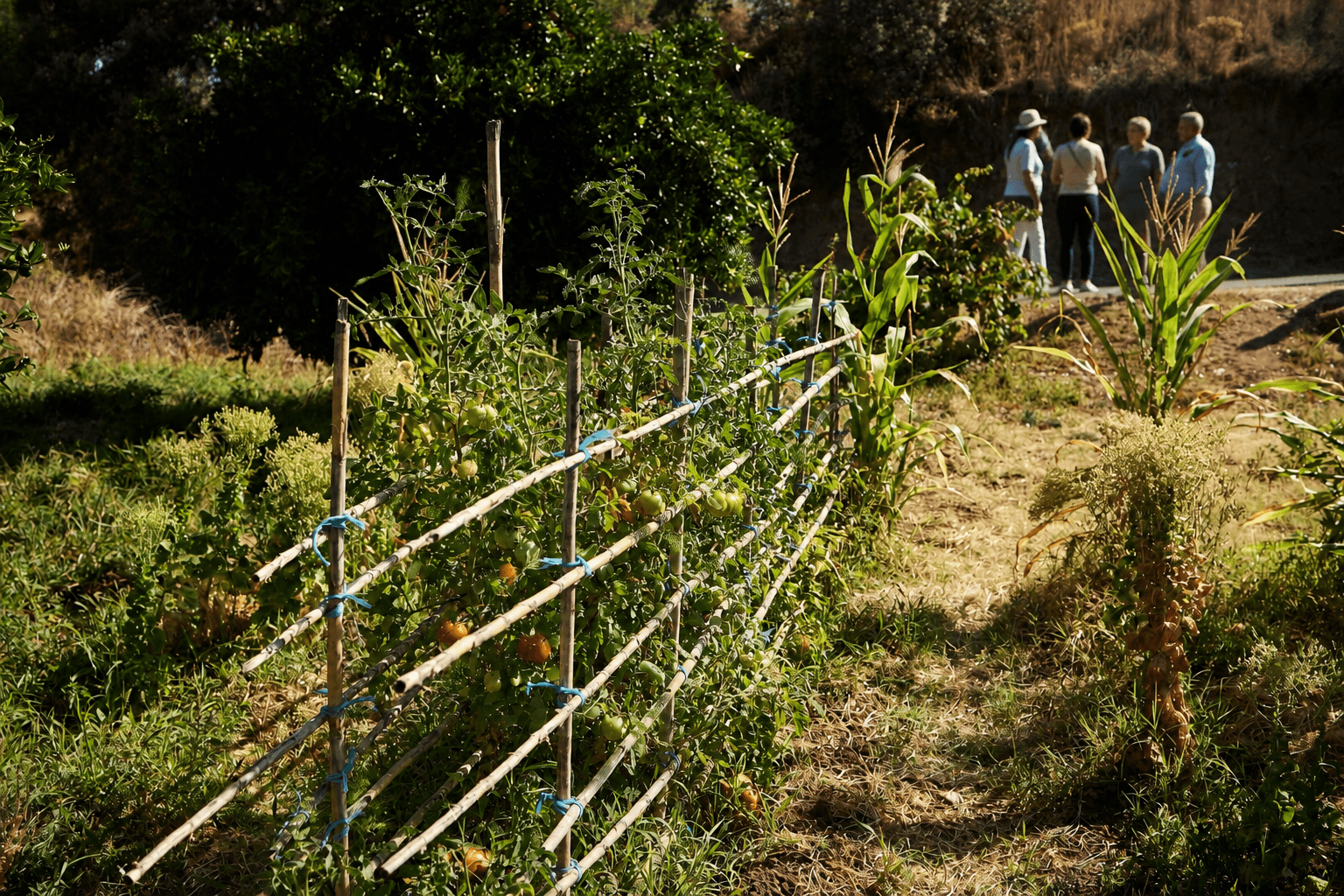
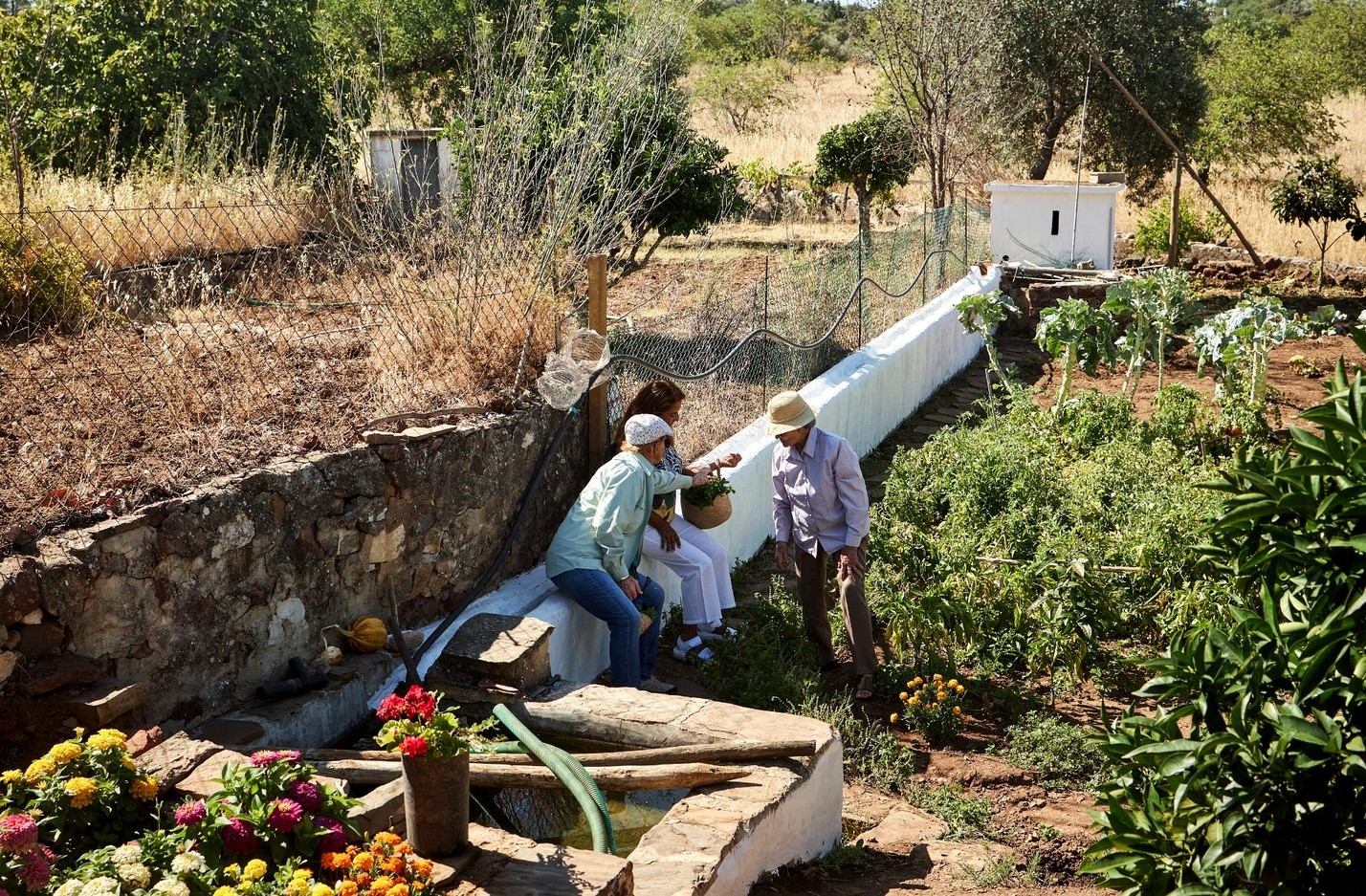
Nesta missão de campo, irá integrar uma pequena equipa de investigação comunitária e contribuir para o levantamento das hortas, pomares e zonas cultivadas de Querença. Ao longo de cerca de 4 km por Pombal e Adega, irá observar e registar terrenos e culturas e visitar espaços previamente identificados, conhecendo algumas das hortas e pomares através de quem os cultiva. Irá procurar informação sobre plantas, variedades, sementes, formas de cultivo e gestão da água e do solo. Não é necessária experiência de investigação. Interessa observar, ouvir, perguntar, registar e, quando tiver conhecimento relevante, partilhá-lo. Cada contributo será integrado num trabalho construído progressivamente pelas 3 missões e que poderá apoiar futuras iniciativas de desenvolvimento local em Querença.In this field mission, you will join a small community research team and help to survey the vegetable gardens, orchards and cultivated areas of Querença. Over about 4 km through Pombal e Adega, you will observe and record plots of land and crops and visit sites identified beforehand, getting to know some of the gardens and orchards through the people who cultivate them. You will look for information on plants, varieties, seeds, cultivation methods and water and soil management. No research experience is needed. What matters is observing, listening, asking questions, recording and, if you have relevant knowledge, sharing it. Each contribution will be built into a body of work developed progressively over the 3 missions, which could support future local development initiatives in Querença.
O que vai acontecer
1. Preparar a missão
Começará por conhecer o objetivo desta 1ª missão e receber as indicações e materiais necessários para o trabalho de campo. O coordenador, André Mesquita, explicará o que interessa observar e registar: hortas e pomares, situação e uso dos terrenos, plantas e variedades, sementes, formas de rega/cultivo e outros conhecimentos associados a estes espaços.
2. Percorrer e registar Pombal e Adega
Ao longo de 4 km, irá percorrer esta zona de Querença, identificando hortas, pomares e outros terrenos cultivados e registando informação sobre aquilo que encontra. Irá observar, localizar, tomar notas e documentar elementos que possam contribuir para o levantamento.
3. Conhecer as hortas com quem as cultiva
Nas paragens previstas, irá conhecer algumas das hortas e pomares através das pessoas que os trabalham: o que plantam, que árvores e variedades mantêm, de onde vêm algumas sementes, como gerem a água e o solo e que práticas continuam a utilizar. Esta abordagem corresponde à metodologia prevista no projeto, em que os próprios proprietários apresentam os seus espaços e práticas.
4. Contribuir com conhecimento
A investigação é participativa. Se conhecer lugares, variedades, práticas, sementes ou outras informações relacionadas com os cultivos de Querença, poderá também partilhá-las e contribuir para completar os registos. Não é necessário ter conhecimentos prévios. Interessa sobretudo observar com atenção, ouvir, perguntar e registar.
5. Começar a construir o levantamento
No final, os registos de Pombal e Adega serão reunidos para dar início ao levantamento coletivo das hortas, pomares e cultivos de Querença. O trabalho continuará depois na Fonte da Esparrela e em Corte Garcia (2ª e 3ª missões seguintes), acrescentando novas áreas e conhecimento que poderá apoiar futuras iniciativas de desenvolvimento local.
1. Preparing for the mission
You will begin by learning about the aim of this first mission and receiving the guidance and materials needed for the fieldwork. The coordinator, André Mesquita, will explain what to observe and record: vegetable gardens and orchards, the condition and use of the land, plants and varieties, seeds, irrigation and cultivation methods, and other knowledge associated with these places.
2. Walking and recording Pombal e Adega
Over 4 km, you will walk through this area of Querença, identifying vegetable gardens, orchards and other cultivated land and recording information about what you find. You will observe, locate, take notes and document elements that can contribute to the survey.
3. Getting to know the gardens through the people who cultivate them
At the planned stops, you will get to know some of the vegetable gardens and orchards through the people who work them: what they plant, which trees and varieties they keep, where some of the seeds come from, how they manage water and soil, and which practices they still use. This approach follows the methodology set out in the project, in which the owners themselves present their land and practices.
4. Contributing your knowledge
The research is participatory. If you know of places, varieties, practices, seeds or other information related to the crops of Querença, you can also share them and help to complete the records. No prior knowledge is needed. What matters most is to observe carefully, listen, ask questions and record.
5. Starting to build the survey
At the end, the records from Pombal e Adega will be brought together to begin the collective survey of the vegetable gardens, orchards and crops of Querença. The work will then continue at Fonte da Esparrela and Corte Garcia (the 2nd and 3rd missions), adding new areas and knowledge that could support future local development initiatives.
Dinamização / Convidados
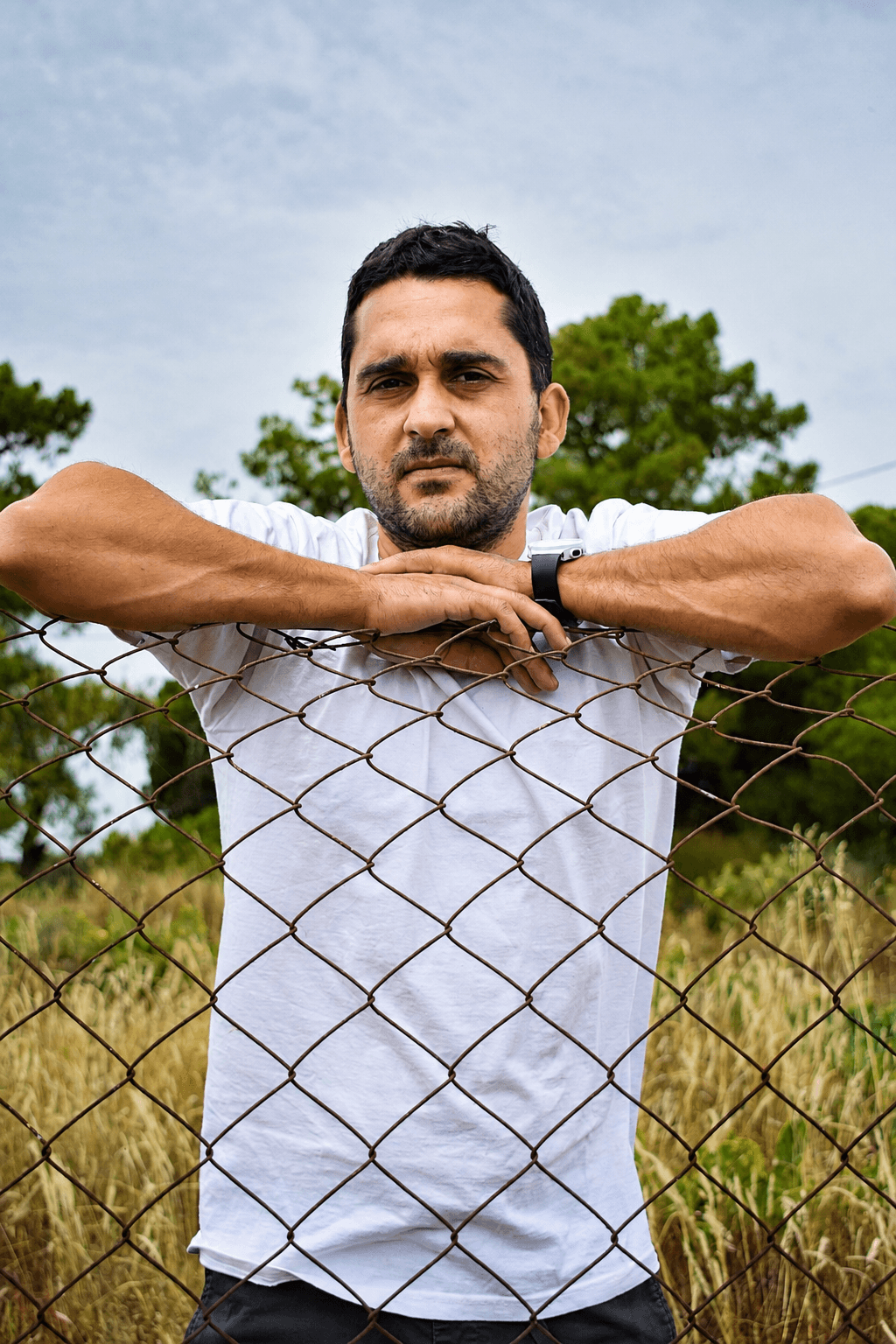

Investigador e doutorando em Estudos do Património na Universidade do Algarve e membro da Cooperativa QRER. A sua investigação cruza paisagem cultural, Conhecimento Tradicional Ecológico e memória coletiva no Algarve. Neste projeto acompanha o trabalho de campo e a construção participada do levantamento das hortas, pomares, cultivos e conhecimentos associados a Querença.
Researcher and doctoral student in Heritage Studies at the University of Algarve and member of Cooperativa QRER. His research brings together cultural landscape, Traditional Ecological Knowledge and collective memory in the Algarve. In this project, he accompanies the fieldwork and the participatory development of the survey of the vegetable gardens, orchards, crops and knowledge associated with Querença.
Consulte o Regulamento de Participação.
Missão de Investigação Comunitária: Fonte da EsparrelaCommunity Research Mission: Fonte da Esparrela