O que vive no pomar de sequeiro? Saída de campo na NaveWhat Lives in the Dryland Orchard? Field Trip at Nave do Barão
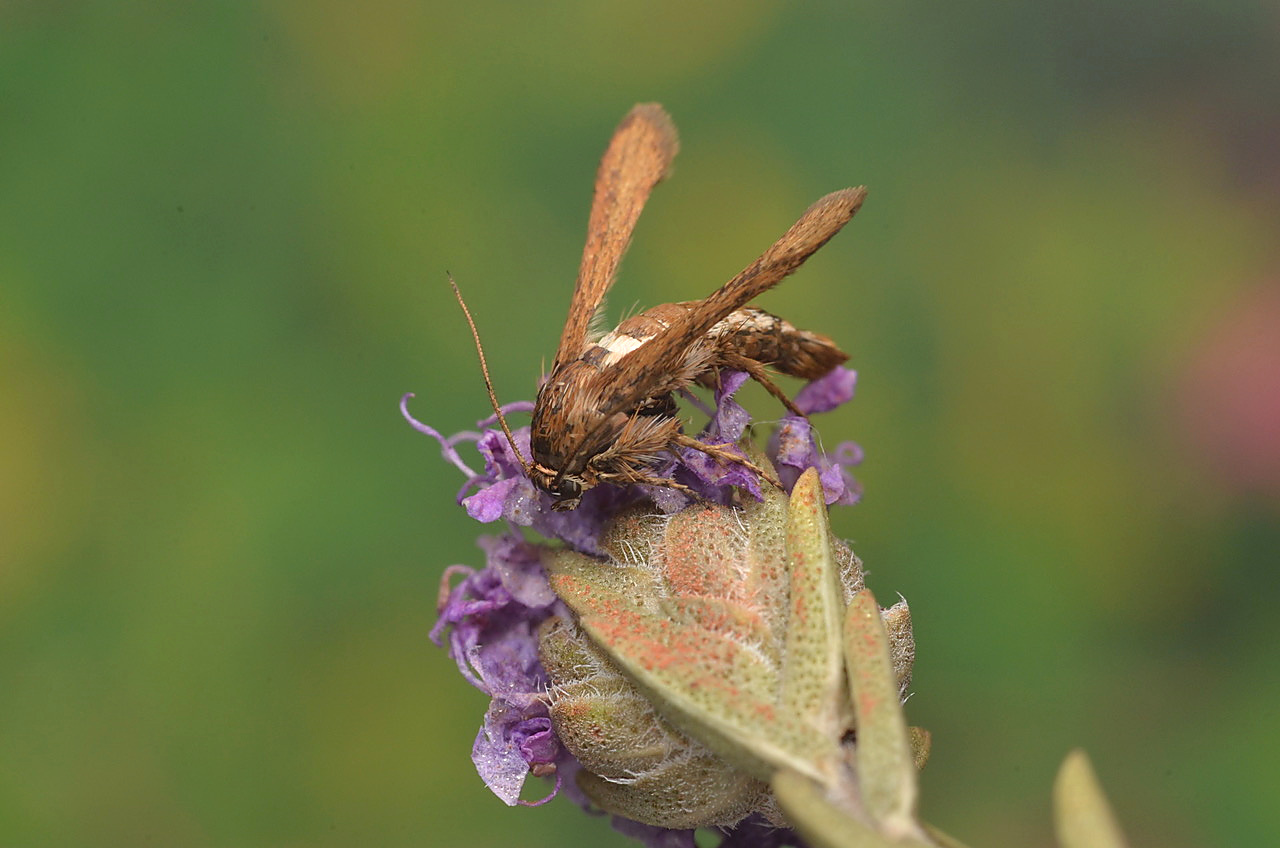
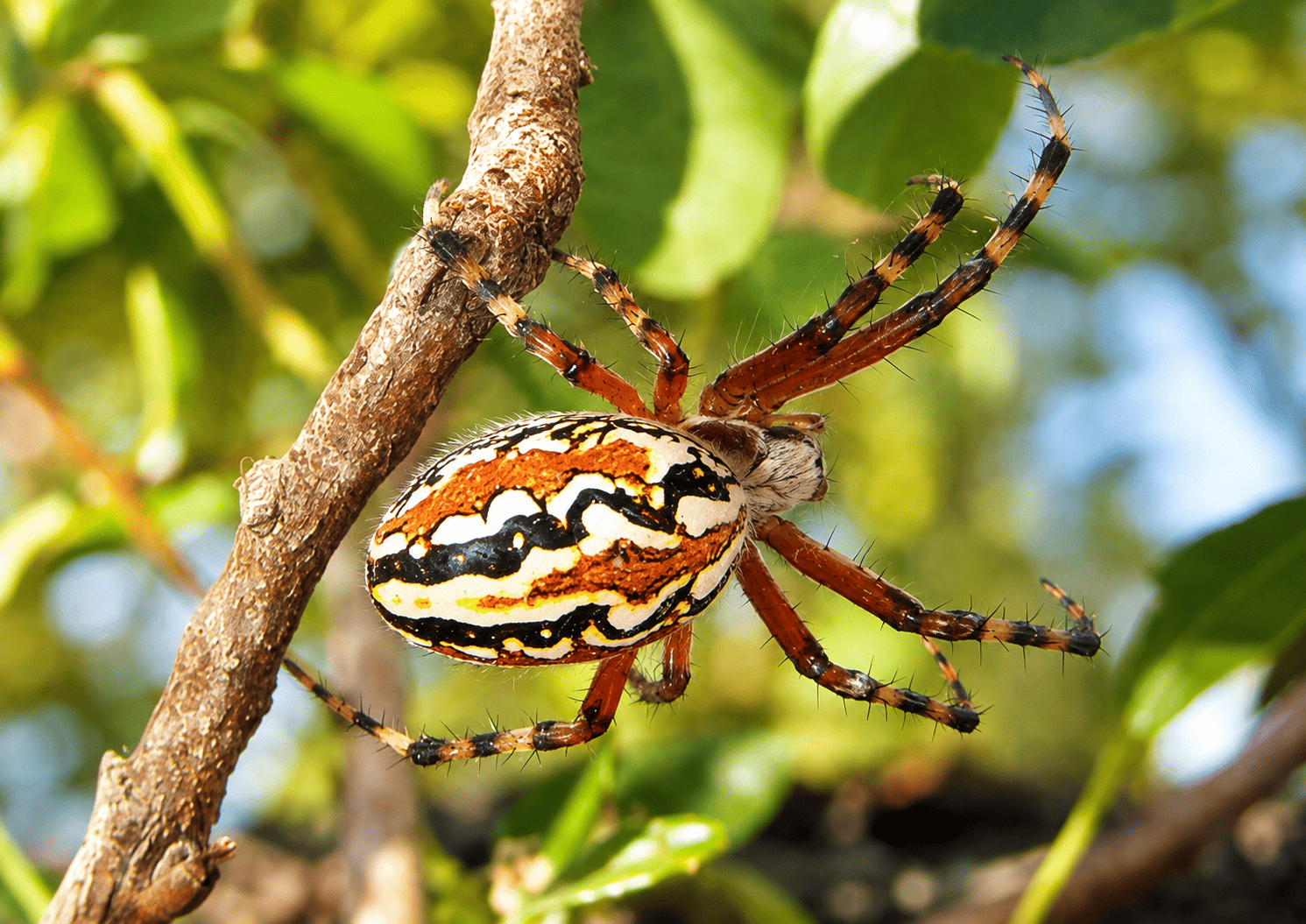
Uma caminhada guiada para descobrir que um pomar de sequeiro é muito mais do que um conjunto de árvores. Ao longo do percurso, o grupo observa a relação entre árvores antigas, cavidades, vegetação, insetos polinizadores e outros pequenos habitantes desta paisagem rural. Com explicações acessíveis e acompanhamento no terreno, os participantes aprendem onde procurar, que sinais observar e por que razão diferentes elementos do pomar podem criar alimento e abrigo. Uma forma de passar a olhar para árvores, jardins e pomares com mais atenção.A guided walk to discover that a dryland orchard is much more than a collection of trees. Along the route, the group observes the relationship between old trees, cavities, vegetation, pollinating insects and other small inhabitants of this rural landscape. With accessible explanations and support on the ground, participants learn where to look, which signs to watch for and why different elements of the orchard can provide food and shelter. A way of looking at trees, gardens and orchards with more attention.
O que vai acontecer
A atividade começa no Espaço da QRER, em Querença, como ponto de encontro para a saída à Nave do Barão. Após uma breve conversa e explicações sobre a atividade, os participantes seguem nas suas viaturas, orientados pelos guias, até ao local da visita.
No início da caminhada, os dinamizadores apresentam o pomar tradicional de sequeiro e explicam de que forma as árvores, a vegetação e as práticas rurais criam condições para diferentes formas de vida.
Ao longo do percurso, o grupo faz paragens para observar árvores antigas, cavidades, cascas, plantas, insetos polinizadores e outros pequenos habitantes do pomar. As explicações ajudam a compreender as relações entre estes elementos e a identificar sinais que podem passar despercebidos numa visita autónoma.
A atividade termina com a partilha das observações e com referências simples para continuar a olhar para árvores, jardins, pomares e paisagens rurais com mais atenção.
The activity begins at the QRER Space in Querença, which serves as the meeting point for the field trip to Nave do Barão. After a short introduction and explanations about the activity, participants travel in their own vehicles, guided by the leaders, to the visit site.
At the start of the walk, the leaders introduce the traditional dryland orchard and explain how the trees, vegetation and rural practices create conditions for different forms of life.
Along the route, the group stops to observe old trees, cavities, bark, plants, pollinating insects and other small inhabitants of the orchard. The explanations help participants understand the relationships between these elements and identify signs that might go unnoticed on a self-guided visit.
The activity ends with a sharing of observations and some simple pointers for continuing to look at trees, gardens, orchards and rural landscapes with more attention.
Dinamização / Convidados
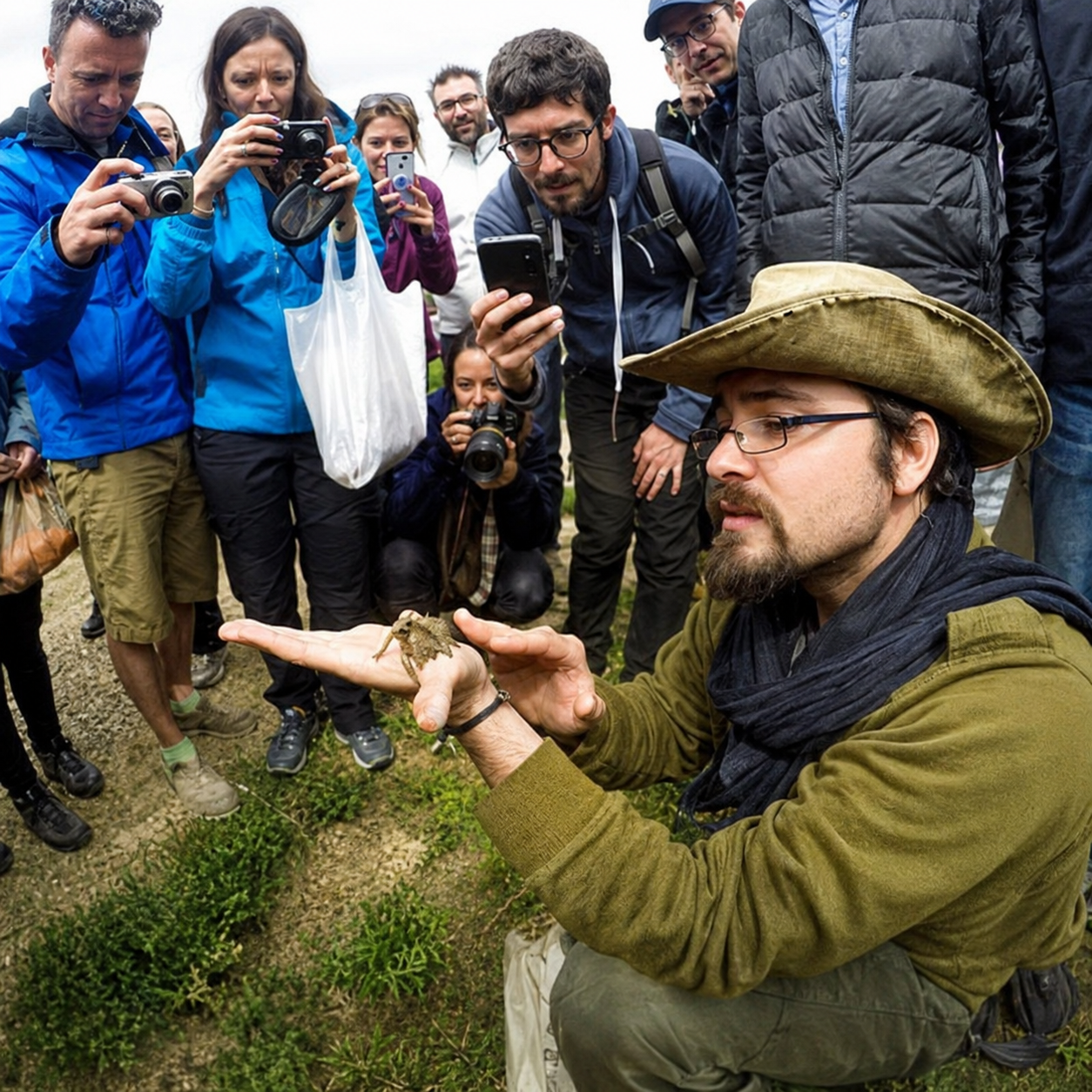
SÉRGIO SILVA HENRIQUES - Biólogo da conservação e especialista em invertebrados, com mais de 20 anos de experiência internacional na conservação da biodiversidade. O seu trabalho centra-se na proteção de habitats e no desenvolvimento de estratégias para a conservação da fauna invertebrada, em particular de polinizadores, aranhas e espécies associadas ao solo. Doutorado pela University College London (UCL), investigou métricas de conservação e sustentabilidade utilizadas pelas Nações Unidas e lecionou Bioestatística na UCL e Ecologia e Evolução na Indiana University. Colaborou com instituições como a Associação Almargem, o Museu Nacional de História Natural e da Ciência, a Royal Society e o Global Center for Species Survival. Atualmente, trabalha na Associação In Loco, no âmbito da ITI Água e Ecossistemas de Paisagem, e colabora com a Universidade do Algarve, conciliando investigação, divulgação científica e educação ambiental.
PROACTIVETUR - é um operador turístico dedicado ao turismo responsável no Algarve e Alentejo, criando experiências genuínas que valorizam a natureza, a gastronomia, as comunidades locais e os modos de vida que tornam estes territórios únicos.
SÉRGIO SILVA HENRIQUES - Conservation biologist and invertebrate specialist, with more than 20 years of international experience in biodiversity conservation. His work focuses on habitat protection and on developing strategies for the conservation of invertebrate fauna, particularly pollinators, spiders and soil-associated species. He holds a PhD from University College London (UCL), where he researched conservation and sustainability metrics used by the United Nations, and has taught Biostatistics at UCL and Ecology and Evolution at Indiana University. He has worked with institutions such as Associação Almargem, the National Museum of Natural History and Science, the Royal Society and the Global Center for Species Survival. He currently works at Associação In Loco, as part of ITI Água e Ecossistemas de Paisagem, and collaborates with the University of Algarve, combining research, science communication and environmental education.
PROACTIVETUR - is a tour operator dedicated to responsible tourism in the Algarve and Alentejo, creating genuine experiences that value nature, gastronomy, local communities and the ways of life that make these areas unique.
Consulte o Regulamento de Participação.
O que vive à volta da água? Saída à Fonte da BenémolaWhat Lives Around the Water? A Field Trip to Fonte da Benémola